Moving A Building
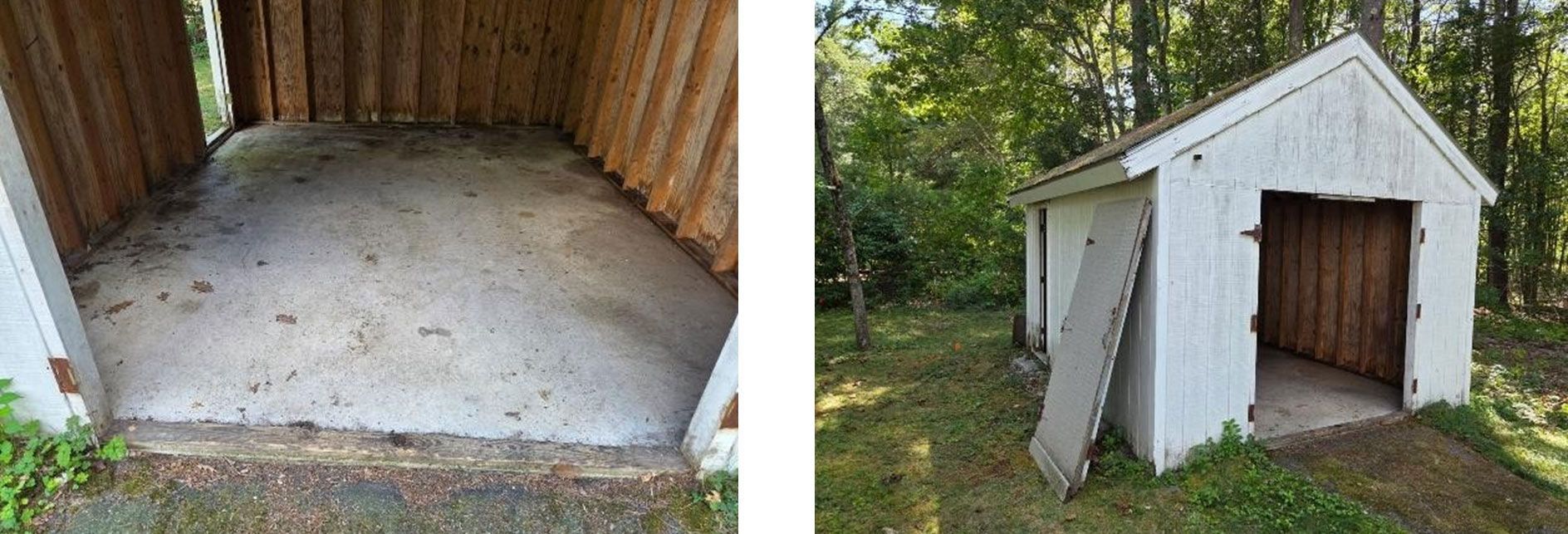
1. Demolition of the Existing Garage
Safe and efficient dismantling of the old small garage to prepare for foundation work.
Utility Disconnection:
- Disconnect all utilities such as electricity, water, gas, sewer, and telephone lines safely.
2. All in the prep (Bracing for move)
- Assessment and Planning
- Inspect the building to evaluate its condition and determine if it’s suitable for moving.
- Obtain necessary permits and approvals from local authorities. o Plan the route for the move, considering obstacles like power lines, trees, and road conditions.
- Utility Disconnection
- Disconnect all utilities such as electricity, water, gas, sewer, and telephone lines safely.
- Structural Reinforcement
- Reinforce the building’s structure as needed to withstand the move.
- Remove or secure loose parts like chimneys, porches, or awnings that might be damaged or cause instability.
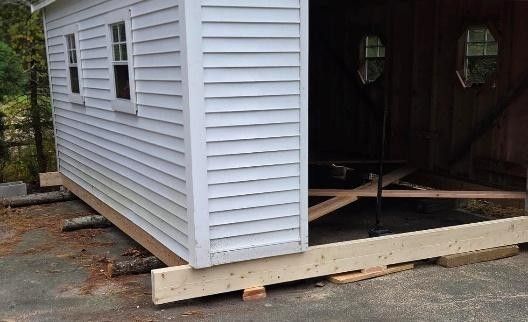

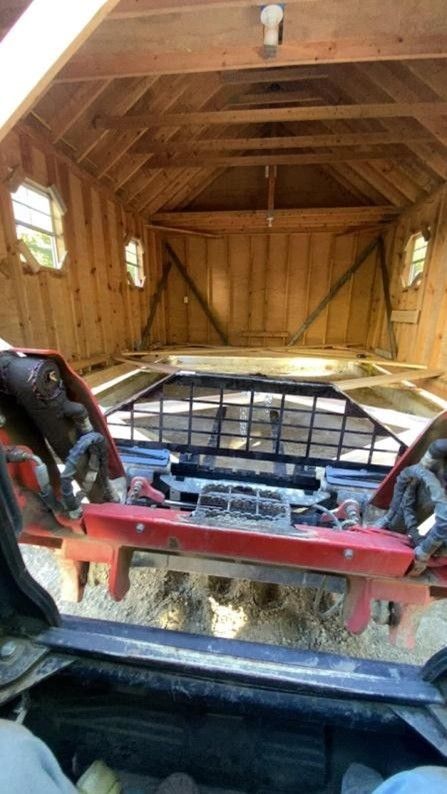
3. Foundation Construction:
Building a strong, stable new foundation designed to support the garage and ensure long-term durability.
Foundation Preparation
- Excavate around the foundation to expose the base of the building.
- Insert steel beams or support jacks under the structure to lift it.
Dig Footing (Below frost line)
Digging footing below the frost line is a crucial step in foundation construction to prevent frost heave and ensure structural stability. Here's a brief overview:
- Determine Frost Line Depth: Find the local frost line depth for your area, which is the depth at which the ground freezes during winter.
- Excavation:
Excavate the footing trenches deeper than the frost line to avoid freeze-thaw cycles affecting the foundation.
Footing reinforced
Footing reinforcement involves strengthening the concrete footing with steel bars (rebar) to enhance its load-bearing capacity and durability. Here's a concise overview:
- Placement of Rebar: Steel rebar is arranged in a grid or cage pattern within the footing formwork according to structural design specifications.
- Spacing and Size: The size, spacing, and number of rebar are determined by engineering requirements to support the building’s load.
- Support and Positioning: Rebar is supported on chairs or spacers to maintain proper positioning, ensuring it is fully embedded in concrete with adequate cover to prevent corrosion.
- Tying Rebar: The bars are securely tied together using wire to maintain the structure during concrete pouring.
Foundation
(with footing drain): A foundation with a footing drain combines structural support with effective water management to protect the building from moisture damage. Here's a clear overview:
- Foundation Construction: The foundation is built on reinforced footings that provide a stable base to distribute the building’s load evenly into the soil. o Footing Drain Installation: A footing drain (also called a perimeter or foundation drain) is installed around the exterior base of the foundation footing. This usually consists of a perforated pipe placed in a gravel-filled trench.
- Drainage Function: The footing drain collects groundwater that accumulates around the foundation and directs it away from the building, typically to a storm sewer, sump pump, or daylight discharge point.
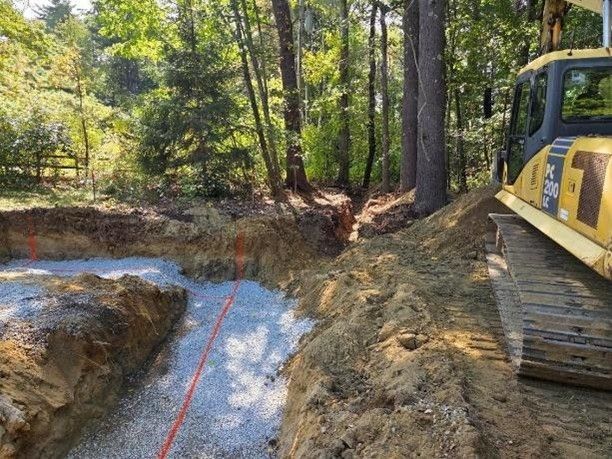
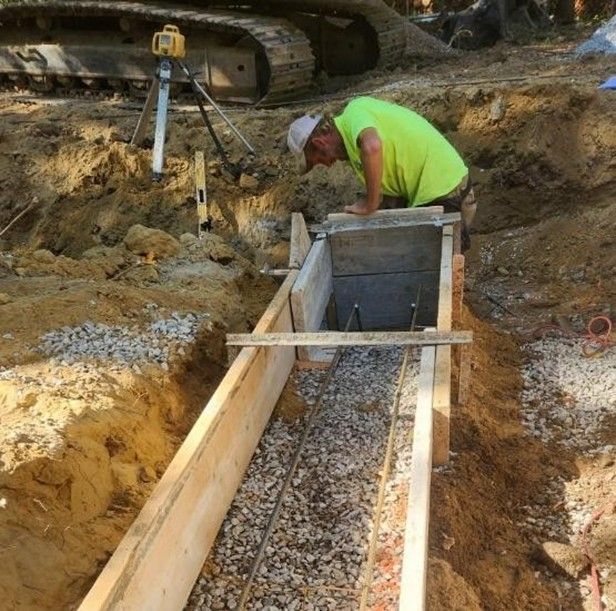
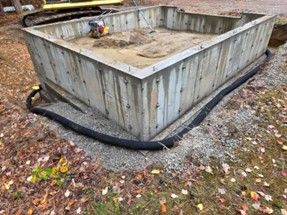
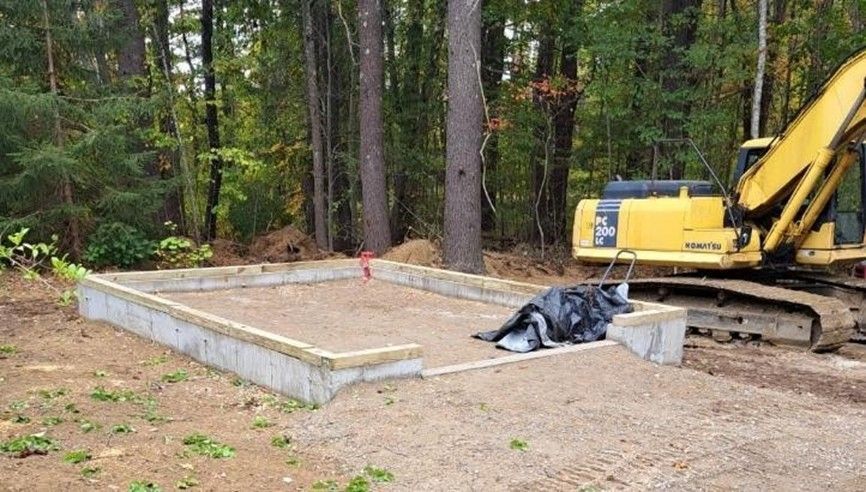
Foundation is Ready for a new Garage to sit on it & Compacted base for slab
- Gravel base is compacted for Garage floor slab
- Footing drain & Drainage installed
- Back filled & compacted
- The foundation is now complete and ready to support the new garage structure. Additionally, the base for the slab has been properly compacted to ensure a stable and durable surface for the concrete slab, providing a solid foundation for the garage floor. This preparation helps prevent settling and enhances the overall strength and longevity of the garage structure.
4. Run power out to the foundation
Power Installation:
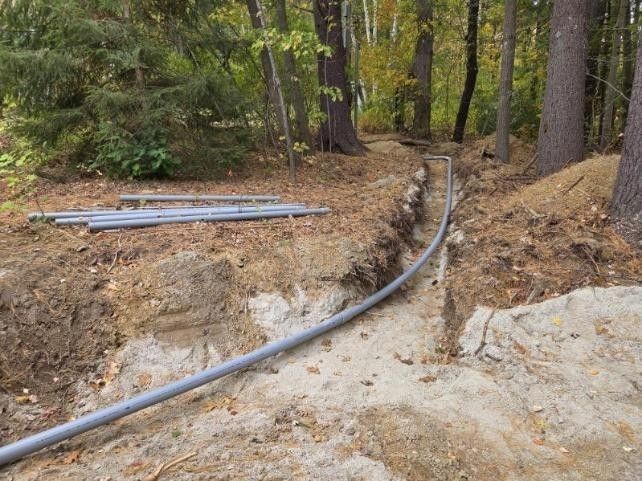
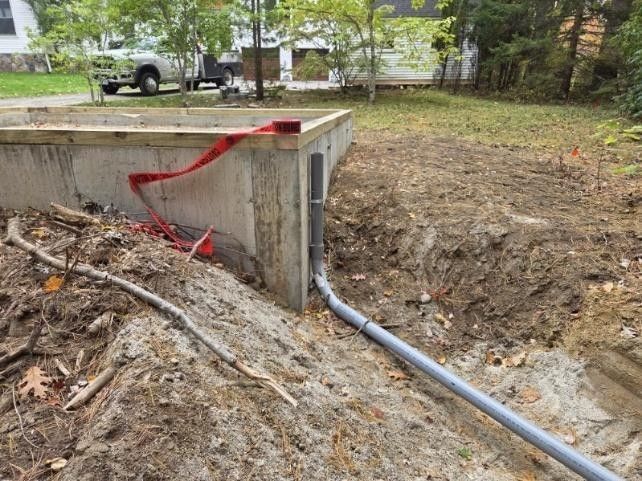
- Installation of underground electrical power by extending service from the nearby telephone pole, ensuring a clean, reliable power supply to the garage.
The underground electrical power installation involves extending the service from a nearby telephone pole directly to the garage. This method ensures a clean, safe, and reliable power supply by burying electrical cables underground, protecting them from weather-Here are key details about underground electrical power installation for your garage:
- Service Extension: Electrical power is extended from the nearest utility pole, typically a telephone or power pole, using underground cables rather than overhead lines.
- Trenching: A trench is dug from the utility pole to the garage location, deep enough to meet local electrical codes (usually 18-24 inches or deeper depending on regulations).
- Conduit Installation: A protective conduit (PVC or metal) is laid in the trench to house and protect the electrical cables from moisture, soil pressure, and physical damage.
- Cable Type: Underground-rated electrical cables (such as UF cable or THWN wires inside conduit) are pulled through the conduit to connect the power source to the garage.
- Connection and Metering: The underground cable is connected to the main power line at the pole side and to the garage’s electrical panel or meter on the other end.
- Grounding: Proper grounding and bonding are installed to ensure safety and compliance with electrical codes.
- Inspection and Testing: The installation is inspected by local authorities and tested for proper function and safety before energizing.
- Benefits: Underground power provides enhanced safety, reduced risk of weather-related outages, improved aesthetics, and protection against accidental damage.
This installation should be performed by licensed electricians following local electrical codes and utility company requirements to ensure a safe, reliable power supply to your garage.
5. Garage Relocation and Placement
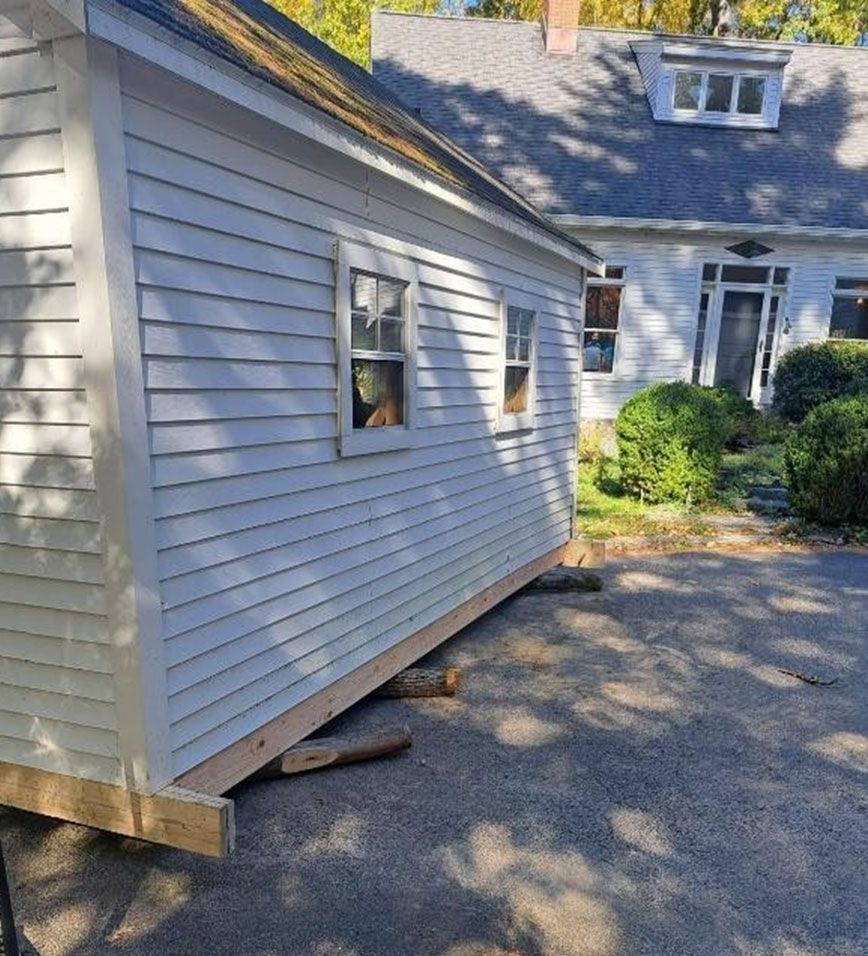
Expertly moving the garage structure and securely setting it onto the newly constructed foundation, ready for use.
Lifting the Building:
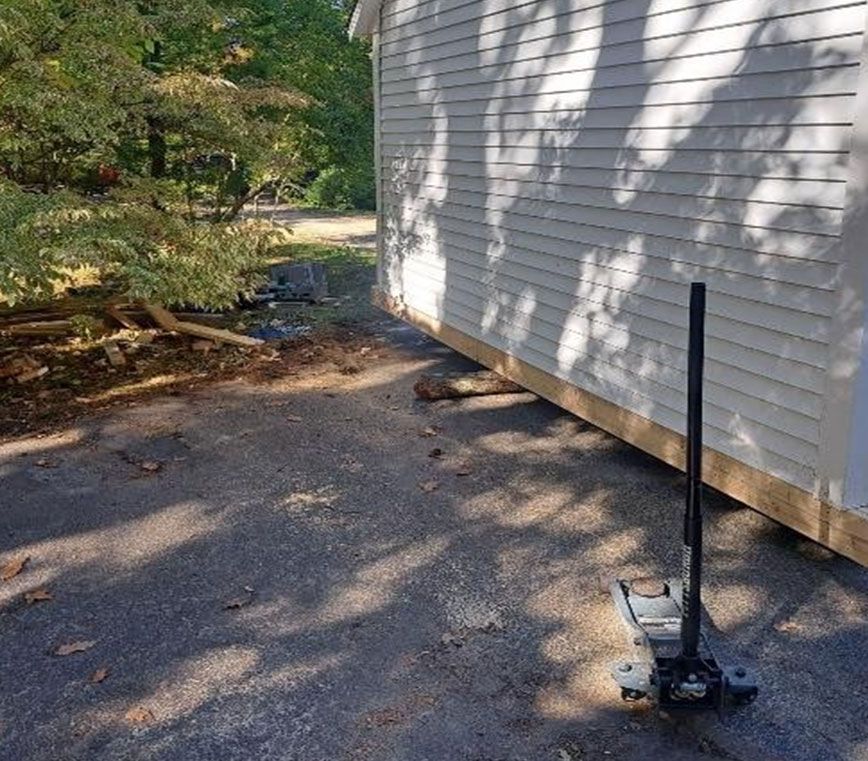
- Use hydraulic jacks to carefully lift the building off its foundation.
- Ensure even lifting to prevent structural damage.
Securing for Transport:
- Place the building on a moving platform, such as dollies or trailers designed for heavy loads.
- Secure the building to prevent shifting during transport.
Final Checks:
- Double-check stability and secure all parts.
- Confirm all safety measures are in place before moving.
Following these steps with experienced professionals ensures the building is properly prepared for a safe and successful move.
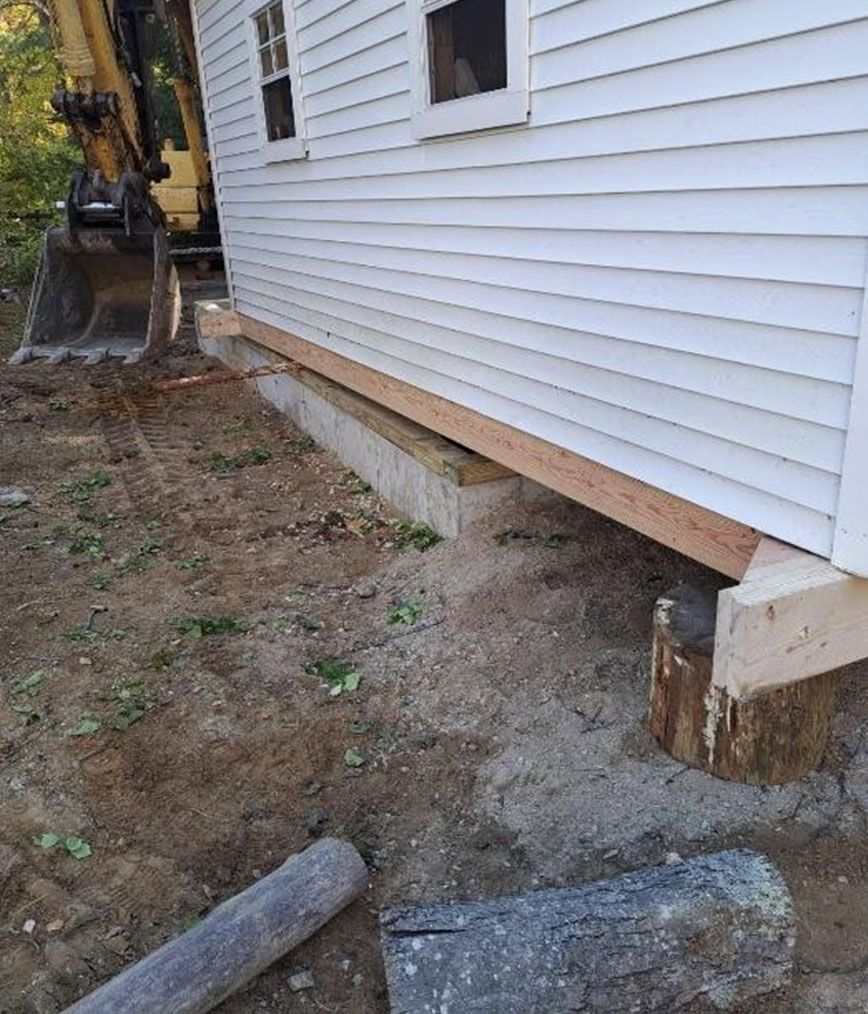
Setting the Garage on New foundation
Setting the garage on the new foundation involves carefully aligning and securing the structure to ensure stability and safety. The process includes:
- Positioning: The garage is carefully moved and aligned over the new foundation, ensuring it sits squarely and level.
- Lowering: Using hydraulic jacks or other equipment, the garage is slowly lowered onto the foundation.
- Anchoring: The structure is securely anchored to the foundation using bolts or straps, following building codes and engineering specifications.
- Sealing and Insulation: The gap between the garage and foundation is sealed to prevent moisture intrusion and improve insulation.
- Final Inspection:
A thorough inspection confirms the garage is properly seated, stable, and ready for further finishing work.
This careful process ensures the garage is safely and securely placed on its new foundation, ready for use.
Sitting Pretty in place (in place)
What we do:
We help our clients with all the site work needed to make their dreams REALITY! We assist you to get you from the ground up & ready to frame!
"We also work with a team of experienced professionals that also do QUALITY work at a reasonable price"!

We have been working with for years, that return phone calls & will show up.
- Concrete Foundation Companies (usually on the job in days/ not months)
- Concrete "Flat work" Companies (Specializing in garage & cellar floors, slabs, walkways...)
- Disposal companies for Demo & tear downs
- Asphalt companies for the finished driveway
- Modular home companies, Builders... to make your dreams a reality!
- Electricians
- Plumbers